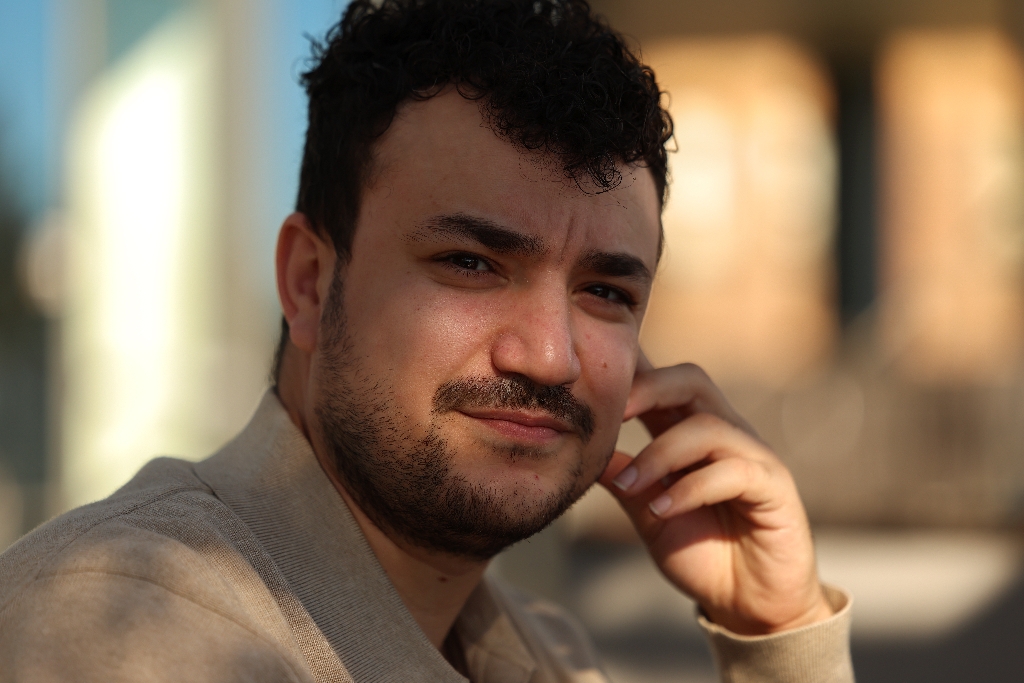
Los Angeles (United States) (AFP) – Instagram’s CEO Adam Mosseri takes the stand Wednesday in a landmark trial that could determine whether social media giants knowingly hooked children on their platforms for profit. YouTube-owner Google and Meta — the parent company of Instagram and Facebook — are defendants in a blockbuster trial that could set a legal precedent regarding whether social media giants deliberately designed their platforms to be addictive to children.
Mosseri will be the first major Silicon Valley figure to appear before the jury to defend himself against accusations that Instagram functions as little more than a dopamine “slot machine” for vulnerable young people. His testimony precedes the highly anticipated appearance of his boss, Mark Zuckerberg, currently scheduled for February 18, with YouTube CEO Neal Mohan expected the following day.
The civil trial in California state court centers on allegations that a 20-year-old woman, identified as Kaley G.M., suffered severe mental harm after becoming addicted to social media as a young child. She started using YouTube at six and joined Instagram at 11, before moving on to Snapchat and TikTok two or three years later.
Opposing lawyers made opening remarks to jurors this week, with an attorney for YouTube on Tuesday insisting that the video platform was neither intentionally addictive nor technically social media. “It’s not social media addiction when it’s not social media and it’s not addiction,” YouTube lawyer Luis Li told the 12 jurors during his opening remarks. YouTube is selling “the ability to watch something essentially for free on your computer, on your phone, on your iPad,” Li insisted, comparing the service to Netflix or traditional TV.
On Monday, the plaintiffs’ attorney Mark Lanier told the jury YouTube and Meta both engineer addiction in young people’s brains to gain users and profits. Meta and Google “don’t only build apps; they build traps,” Lanier said.
Stanford University School of Medicine professor Anna Lembke, the first witness called by the plaintiffs, testified Tuesday that she views social media, broadly speaking, as a drug. She also said young people’s brains were undeveloped, which is why they “often take risks that they shouldn’t,” Lembke testified, comparing YouTube to a gateway drug for kids.
The trial is currently scheduled to run until March 20. Social media firms face more than a thousand lawsuits accusing them of leading young users to become addicted to content and suffer from depression, eating disorders, psychiatric hospitalization, and even suicide. Kaley G.M.’s case is being treated as a bellwether proceeding whose outcome could set the tone for a wave of similar litigation across the United States.
Two further test trials are planned in Los Angeles between now and the summer, while a nationwide lawsuit will be heard by a federal judge in Oakland, California. In New Mexico, a separate lawsuit accusing Meta of prioritizing profit over protecting minors from sexual predators began on Monday.
© 2024 AFP