Havana (AFP) – Cuban authorities began to free prisoners on Friday after announcing the country would pardon 2,010 inmates, the second release in less than a month as it faces heightened US pressure. More than 20 inmates came out of La Lima penitentiary in east Havana, holding their release papers, crying and hugging relatives who had been waiting for them all morning, AFP journalists said.
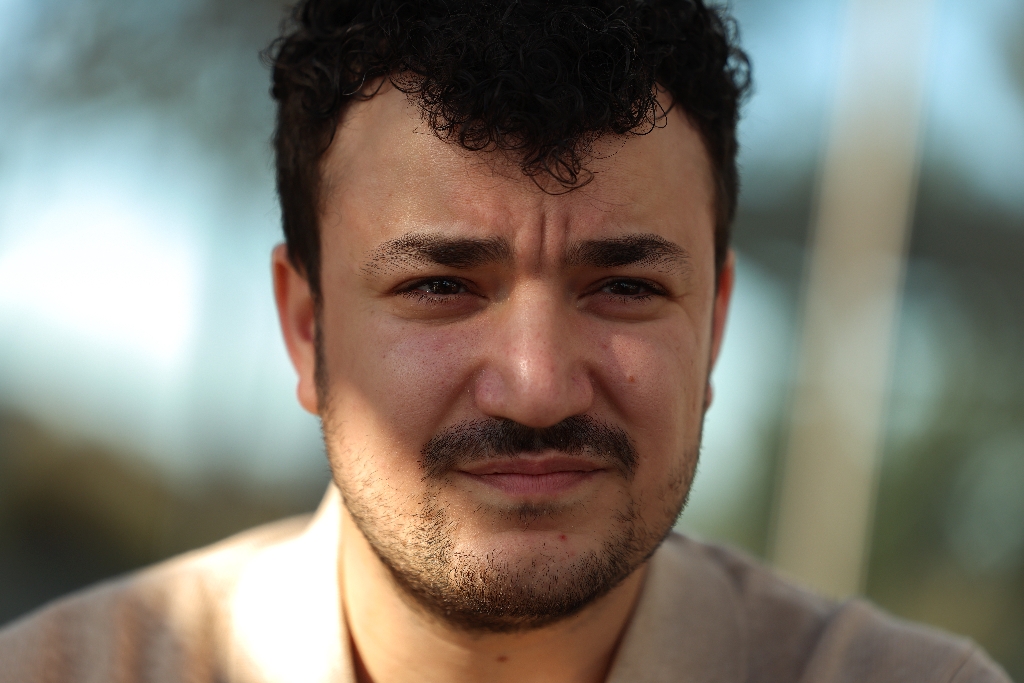
Albis Gainza, a 46-year-old who had served half of a six-year sentence for robbery, told AFP he was grateful for “this opportunity that they gave us.” He said he could not sleep after learning he would be released. “This needs to keep going,” Gainza told AFP, referring to the releases. The Cuban government announced late Thursday that it would proceed with the pardons — one of the biggest releases in years — as a “humanitarian and sovereign gesture” to mark Holy Week culminating in the Easter holiday.
It was unknown so far if any of those who were freed on Friday were political prisoners as no list was published. Cuban authorities deny holding any such prisoners. The US State Department said it was aware of reports of the prisoner release, but added that it was unclear if any political prisoners would be part of it. “We continue to call for the immediate release of the hundreds of other brave Cuban patriots who remain unjustly detained,” a State Department spokesperson told AFP. Miami-based rights group Cubalex told AFP that it was unable to confirm the release of any political prisoners so far.
The Trump administration has called for change in communist-run Cuba’s system of government, and the US president has mused about “taking” the island. But the two sides have also held talks recently. Havana did not link the pardons to talks with Washington, but the move came days after US President Donald Trump eased a de facto oil blockade of Cuba by allowing a Russian tanker to deliver crude to the fuel-starved island. This “follows a long pattern where there is a song and dance about how (Cuba) has nothing to do with negotiations when it clearly does,” Andres Pertierra, a historian focusing on Cuba at the University of Wisconsin, told AFP.
Cuba is holding 775 political prisoners, according to rights group Justicia 11J. Justicia 11J said “any release represents immediate relief, especially for the families,” but it warned that the gesture “does not constitute a change in the Cuban state’s repressive policies.” The Cuban government said the releases would be based on the nature of the crimes, good behavior, health reasons and time served. It added those released would not include people who committed murder, sex assault, drug-related crimes, theft, illegal slaughter of livestock and “crimes against authority.” Justicia 11J said the mention of the all-encompassing “crimes against authority” was “particularly concerning.” “These charges have instead served as instruments of political repression in Cuba,” said the group, which tracks arrests stemming from massive anti-government protests in July 2021.
The Cuban government said the individuals being freed include young people, women and prisoners over 60 years old who are scheduled for early release within the next six months to a year. The government previously announced on March 12 that it would free 51 prisoners as a sign of “good will” toward the Vatican, which has often acted as a mediator between Washington and Havana. At least 20 political prisoners were released in the wake of the March announcement, according to Cubalex.
Of half a dozen former prisoners interviewed by AFP outside La Lima, none were jailed for political reasons. “This is a once-in-a-lifetime opportunity,” said Brian Perez, 20, who was jailed for causing bodily injury. “We suffered enough and the mothers, too.” Damian Farinas, 20, was serving a nearly three-year sentence for robbery. “It’s a great blessing,” he said. “This pardon comes at the right time for many inmates.”
© 2024 AFP