(AFP) – The Virginia Supreme Court on Friday overturned the US state’s voter-approved redistricting plan, dealing a huge blow to Democrats’ hopes of reshaping the battle for control of Congress. In a blockbuster ruling ahead of November’s midterm elections, the court found that Democratic lawmakers failed to follow constitutional procedures in a closely watched referendum on a map that the party hoped would create several new safe seats.
“This violation irreparably undermines the integrity of the resulting referendum vote and renders it null and void,” the court said, in a 4-3 decision rendered after months of legal challenges. The redistricting proposal, narrowly approved last month, would have allowed Democrats to exceptionally redraw Virginia’s districts mid-decade, potentially expanding their 6-5 edge in the congressional delegation to as much as 10-1. The ruling preserves the current map and marks another flashpoint in an escalating national redistricting war between Democrats and Republicans as both parties scramble for advantage in the narrowly divided House of Representatives.
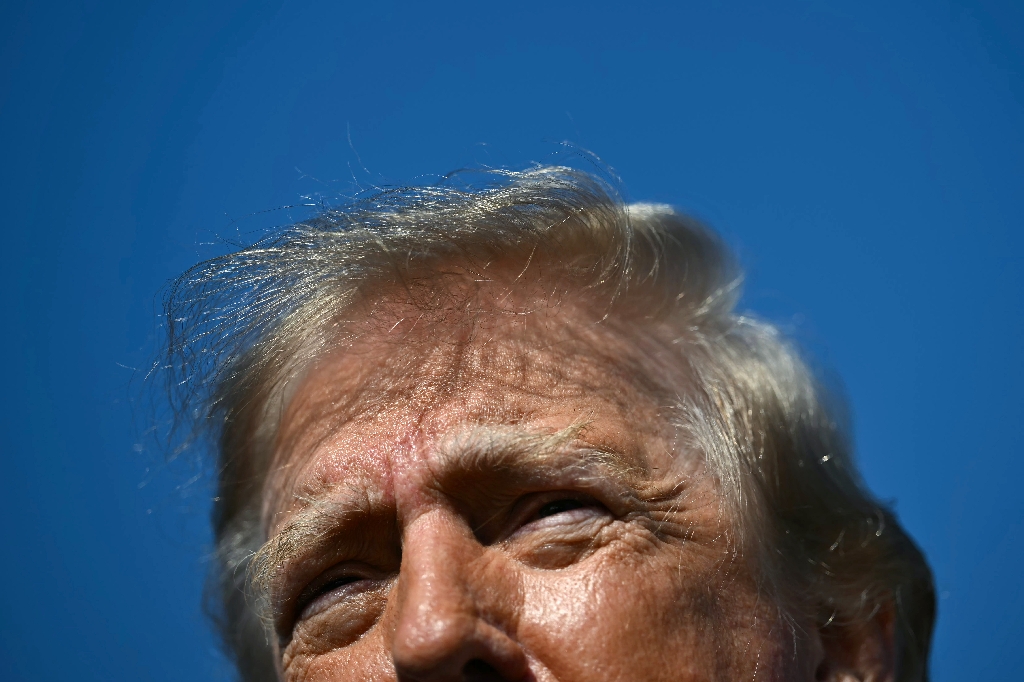
President Donald Trump quickly hailed the ruling on social media as a “huge win” for Republicans. Trump ignited the latest wave of redistricting battles last year by urging Republican-led states such as Texas to redraw congressional maps in the party’s favor. Democrats responded with counter-moves in California and Virginia. The Virginia ruling leaves open the possibility of an appeal to the US Supreme Court, which last week weakened safeguards against racially discriminatory maps in a decision expected to accelerate Republican-led redistricting.
Furious Democrats pointed to conservative Florida, which has avoided a rebuke from its own supreme court despite passing a gerrymandered map that opponents consider unconstitutional — and without having sought the approval of voters. “Our fight is not over. We are just getting started,” said US House Democratic leader Hakeem Jeffries.
– ‘Tit for tat’ –
Republicans across the South are hoping to carve out as many as four new conservative-friendly districts this month. Tennessee lawmakers on Thursday passed a new map dividing up the state’s lone majority-Black district centered on Memphis, in a bid to eliminate its last US House seat held by the Democrats. South Carolina, Louisiana, and Alabama are also expected to pursue new maps if pending legal challenges break Republicans’ way.
The Virginia legal fight centered not on the shape of the proposed districts, but on whether lawmakers followed the process required for placing constitutional amendments before voters. The case had already ricocheted through lower courts before the state supreme court sided with Republicans, arguing that lawmakers improperly advanced the amendment after early voting for last year’s legislative elections had already begun. Virginia reportedly spent about $5 million administering the referendum, while outside groups poured in nearly $100 million.
Legal experts say it is rare for a court to overturn the outcome of a statewide vote, though not unprecedented in Virginia. Former federal prosecutor Harry Litman said Friday’s turnaround, despite being decided on a technicality, would have “seismic” consequences. “What was happening in Virginia (was) similar in unfairness, you might say, to the partisan gerrymandering they are doing in Texas,” he added. “But it’s just a sort of tit for tat, and the only tool available to Dems to try to match and counteract what is happening in Republican states.”
David Axelrod, a chief White House strategist under Democratic former president Barack Obama, said his party was still “heavy favorites” to recapture the House, although he admitted the climb was now “a little steeper.”
– Frankie TAGGART
© 2024 AFP