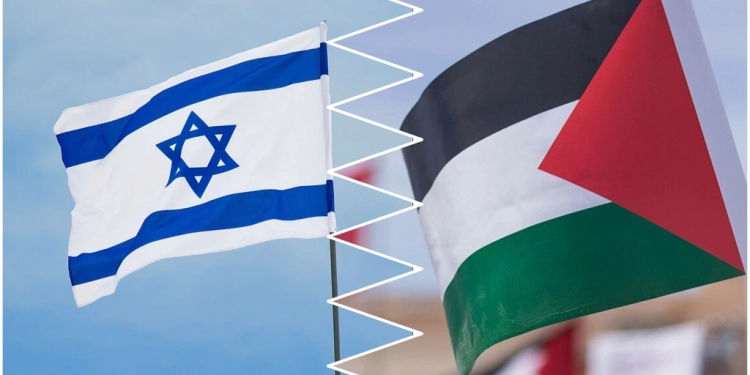
The Israel-Palestine conflict is one of the most enduring and complex geopolitical disputes of the modern era. Rooted in a long history of competing claims to the land, religious significance, and nationalist aspirations, the conflict has led to numerous wars, violence, and suffering for both Israelis and Palestinians. To truly grasp the depth of this conflict, it’s essential to delve into the historical context of the region, including the significance of Jerusalem, the creation of Israel, and the ongoing struggles in the Gaza Strip.
The History of Palestine and Israel
The origins of the Israel-Palestine conflict can be traced back to the late 19th and early 20th centuries, as the collapse of the Ottoman Empire led to increased European influence in the Middle East. The region known as Palestine was inhabited by a diverse population, including both Jewish and Arab communities. Tensions between these groups escalated with the rise of Zionism, a movement advocating for the establishment of a Jewish homeland in Palestine.
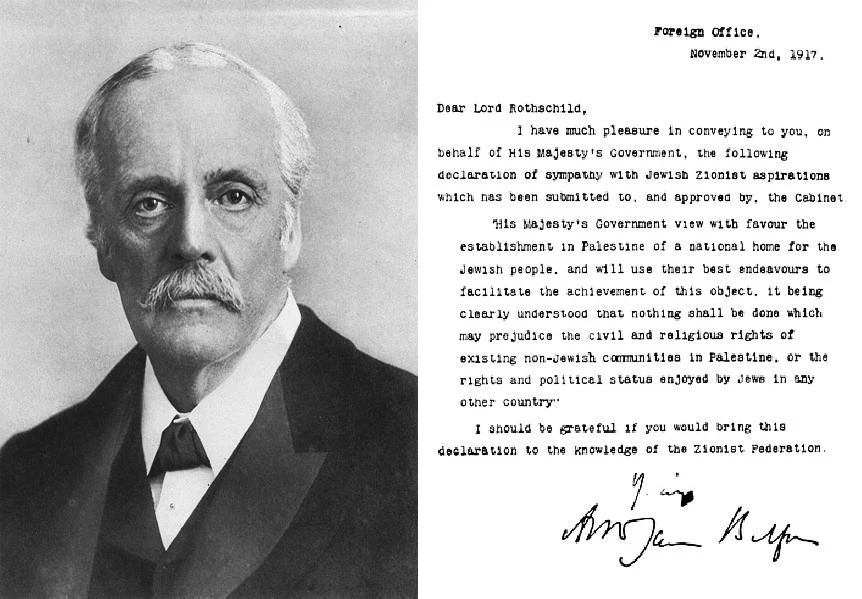
The Balfour Declaration of 1917, in which the British government expressed support for the establishment of a Jewish national home in Palestine, further fueled tensions between Jews and Arabs. Following World War I, the League of Nations granted Britain a mandate to govern Palestine, leading to increased Jewish immigration and Arab resistance.
The Creation of Israel
In 1947, the United Nations proposed a partition plan that would divide Palestine into separate Jewish and Arab states, with Jerusalem designated as an international city. While Jewish leaders accepted the plan, Arab leaders rejected it, leading to the outbreak of violence. In 1948, Jewish leaders declared the establishment of the State of Israel, sparking a war with neighboring Arab states.
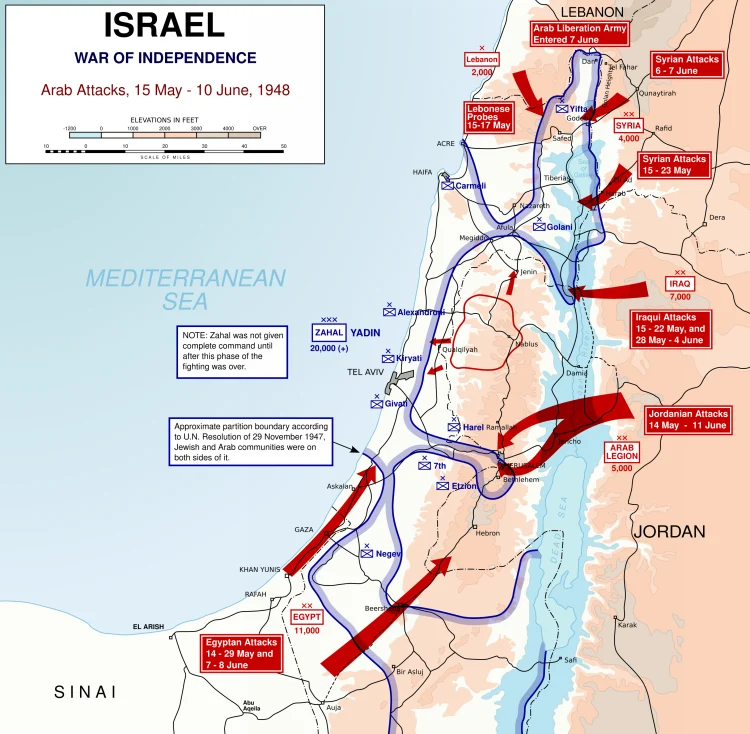
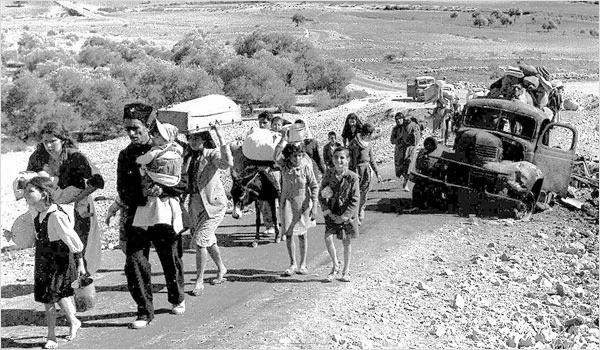
The war resulted in the displacement of hundreds of thousands of Palestinians, who fled or were forced from their homes in what they call the Nakba, or “Catastrophe.” Israel emerged from the conflict in control of most of the territory, while Jordan occupied the West Bank and Egypt occupied Gaza.
The Significance of Jerusalem
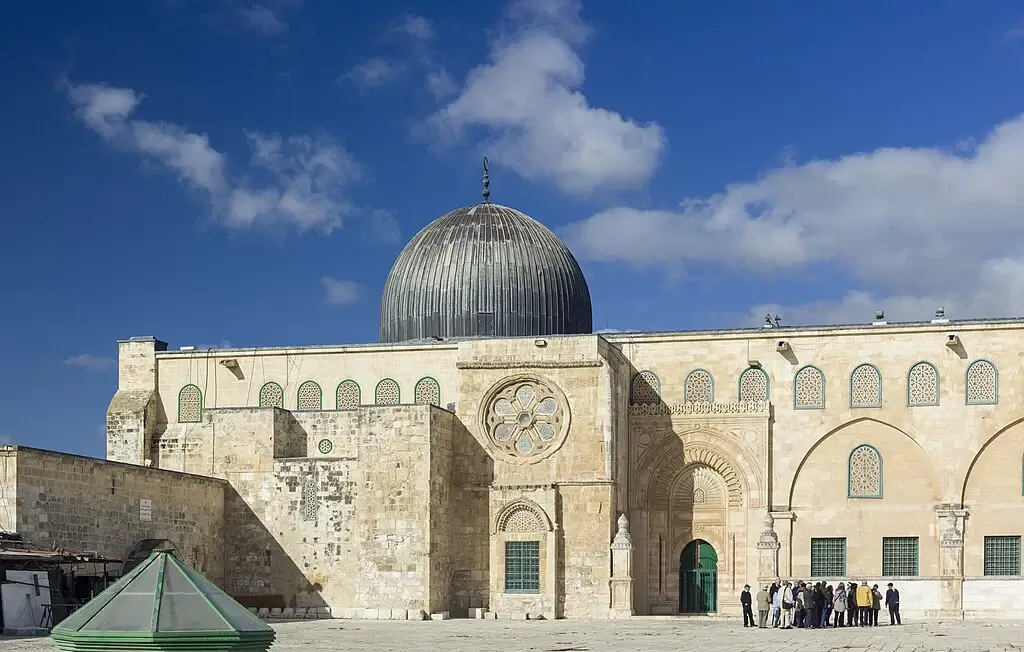
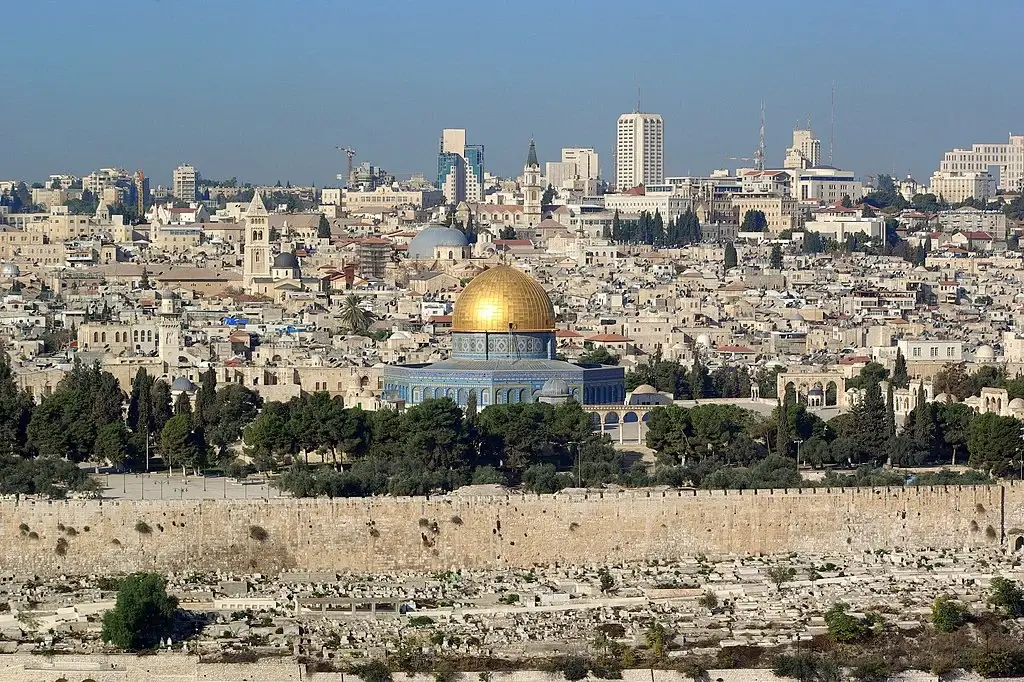
Jerusalem holds immense religious and historical significance for both Israelis and Palestinians. For Jews, it is the holiest city in Judaism, home to the Western Wall and the site of the ancient Temple. For Muslims, it is the third holiest city in Islam, housing the Dome of the Rock and the Al-Aqsa Mosque. The status of Jerusalem has been a central issue in peace negotiations, with both sides claiming it as their capital.
The Gaza Strip
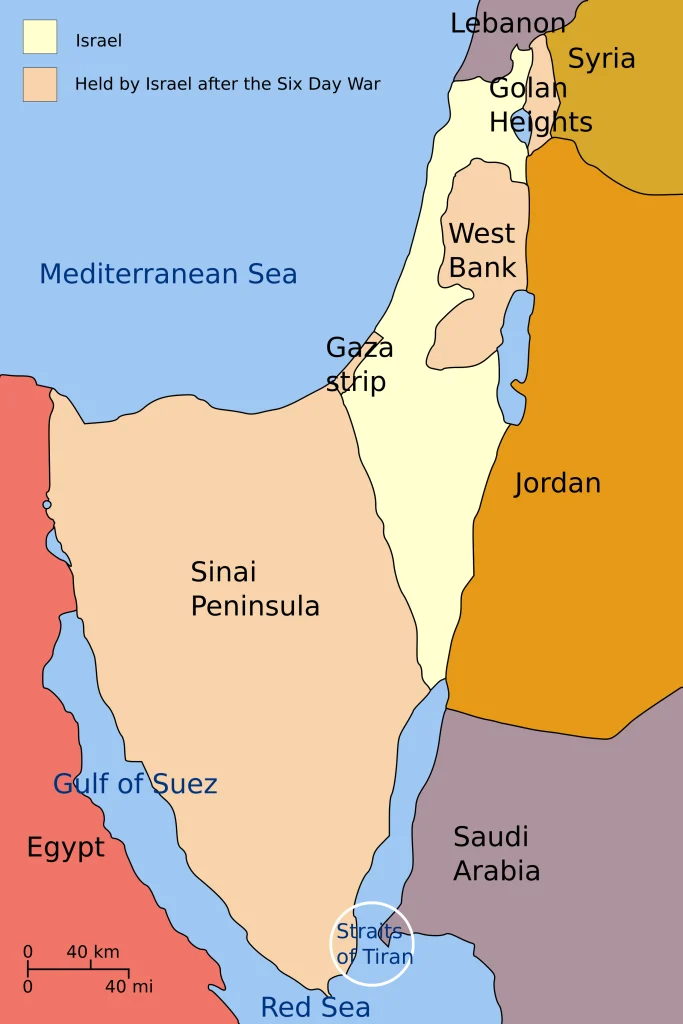
The Gaza Strip, a narrow coastal enclave bordered by Israel and Egypt, has been a focal point of the Israel-Palestine conflict. Occupied by Egypt until 1967, it came under Israeli control following the Six-Day War. Israel withdrew its troops and settlers from Gaza in 2005 but maintained control over its borders and airspace.
The Six-Day War and Israeli Occupation
The Six-Day War in 1967 was a pivotal moment in the Israel-Palestine conflict. Fought between Israel and the Arab states of Egypt, Jordan, and Syria, the war resulted in a swift and decisive victory for Israel. As a result of the conflict, Israel occupied the Gaza Strip, the West Bank, East Jerusalem, the Sinai Peninsula, and the Golan Heights.
Impact on Gaza
The occupation of Gaza by Israel had significant consequences for its residents. Under Israeli rule, Palestinians in Gaza faced restrictions on their movement, economic opportunities, and access to basic services. The Israeli military implemented checkpoints and barriers, making it difficult for Palestinians to travel within Gaza and to enter Israel or the West Bank.
Israeli Settlements and Displacement
During the occupation, Israel also established settlements in Gaza, which are considered illegal under international law. These settlements encroached on Palestinian land and further limited the territory available for Palestinian development. Additionally, thousands of Palestinians were displaced from their homes to make way for Israeli settlements and military infrastructure.
Withdrawal from Gaza
In 2005, amid international pressure and escalating violence, Israel unilaterally withdrew its troops and settlers from Gaza as part of a disengagement plan. The withdrawal was intended to reduce friction between Israelis and Palestinians and pave the way for a negotiated peace agreement. However, Israel maintained control over Gaza’s borders, airspace, and maritime access, effectively maintaining a blockade on the territory.
Aftermath and Continuing Conflict
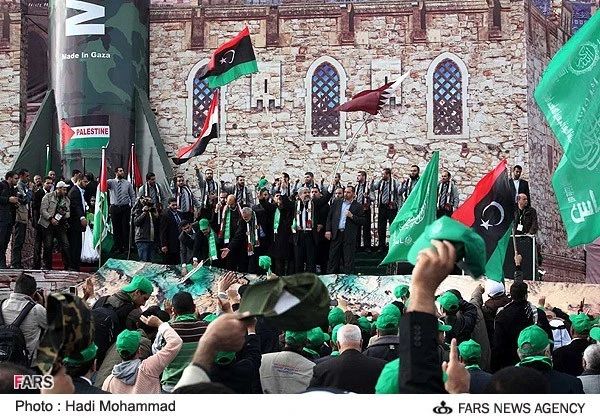
Following Israel’s withdrawal, Hamas, an Islamist militant group, seized control of Gaza in 2007, ousting the rival Fatah movement. Since then, Gaza has been ruled by Hamas, which has engaged in frequent clashes with Israel, including rocket attacks and border skirmishes. Israel has responded with military incursions, airstrikes, and a blockade, leading to cycles of violence and humanitarian crises in Gaza.
Current Situation
The Israel-Gaza conflict has escalated in recent years, with Hamas, the Islamist group governing Gaza, launching attacks on Israeli communities and Israeli forces responding with airstrikes and artillery strikes. The blockade imposed by Israel and Egypt has exacerbated humanitarian conditions in Gaza, leading to widespread poverty and suffering among its population.
Efforts to resolve the conflict through peace talks have been met with limited success, as both sides remain deeply entrenched in their positions. The international community continues to call for a negotiated solution that addresses the legitimate grievances of both Israelis and Palestinians.
In conclusion, the Israel-Palestine conflict is a complex and deeply entrenched dispute with roots stretching back over a century. Understanding its historical context, including the significance of Jerusalem, the creation of Israel, and the struggles in Gaza, is essential for grasping the complexities of this ongoing conflict. Only through genuine dialogue, compromise, and respect for the rights and aspirations of both peoples can a lasting peace be achieved in the region.