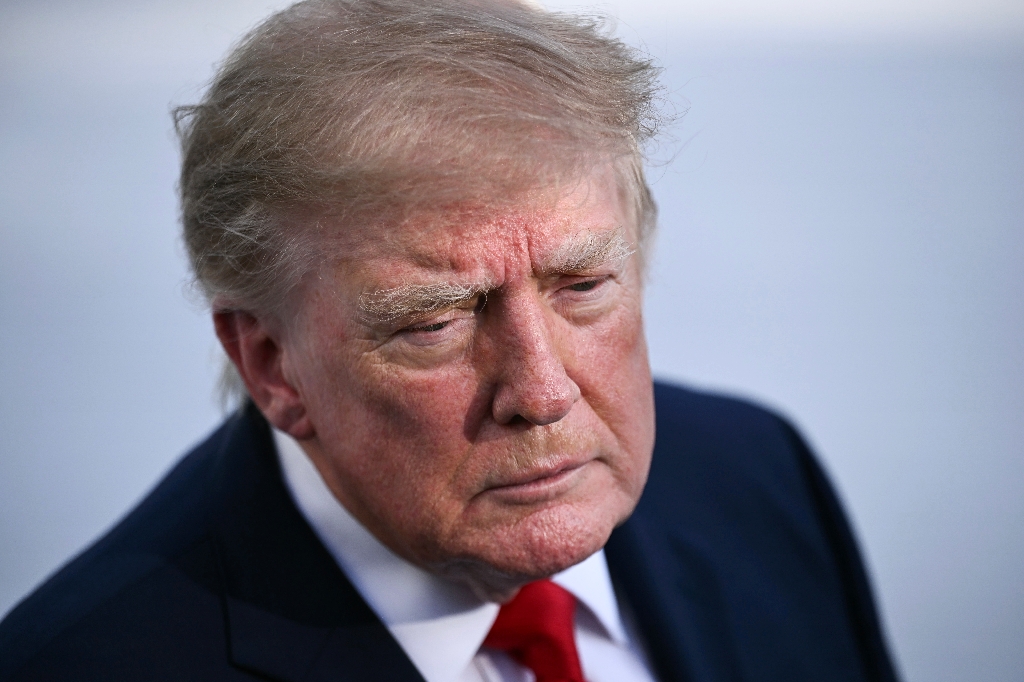
(AFP) – With the US president’s surprise deal on Russian diesel and his call for Volodymyr Zelensky to step down, Donald Trump appears to be redirecting the frustrations of his increasingly difficult midterm campaign. It would not be the first time Trump has heaped criticism on his Ukrainian counterpart, who endured a memorably stormy on-camera meeting in the Oval Office in February 2025. But back then, the US president was riding the momentum of a thunderous return to power. Now, he faces a much more uncertain political position.
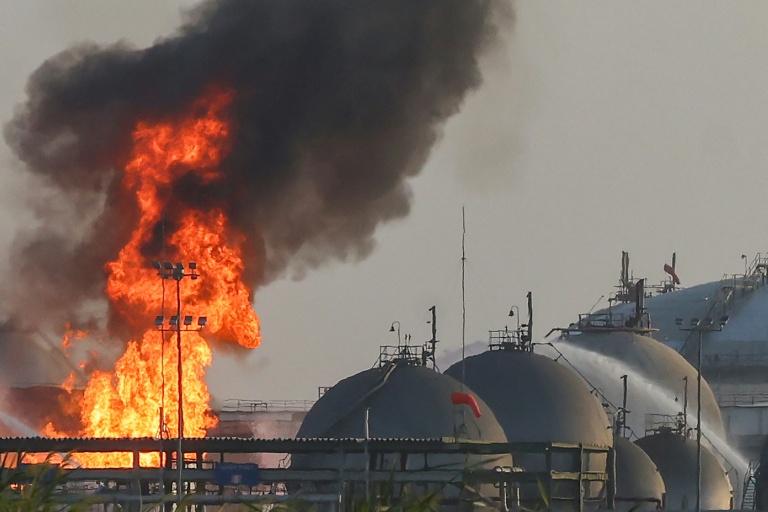
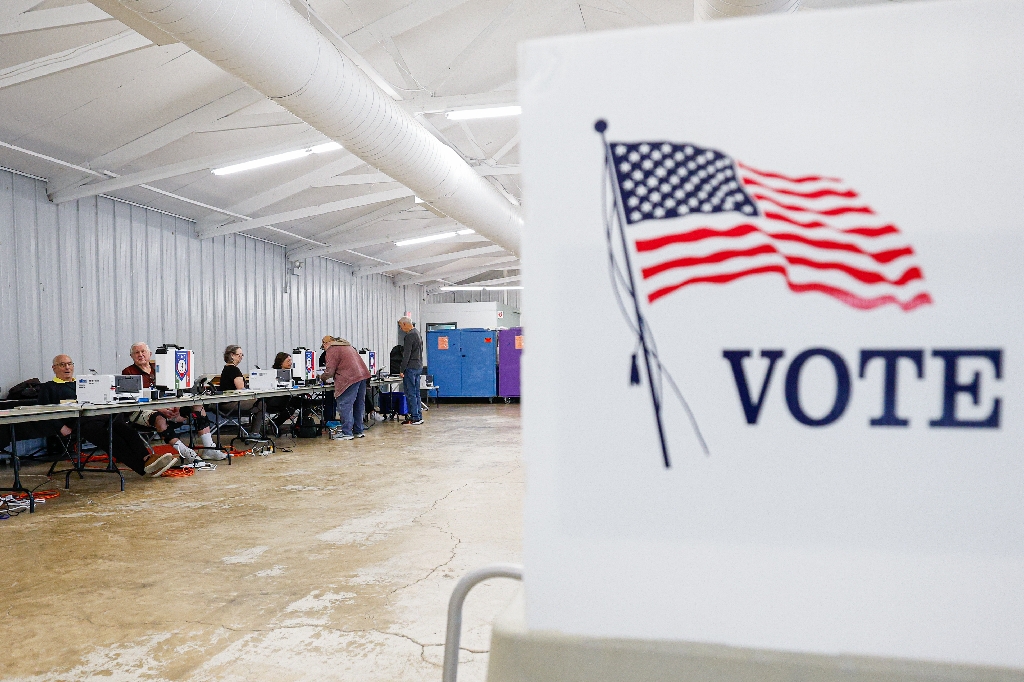
The vast majority of polls predict Trump’s Republicans will lose control of Congress in the midterm legislative elections on November 3, as Americans grow more dissatisfied with rising prices, particularly at the gas pump. In an opinion survey published October 1, the Associated Press and University of Chicago found that 65 percent of US adults blame the White House for the high cost of living, especially Trump’s tariff policies and his new war against Iran. The threat of Americans voting with their pocketbook helps explain Trump’s Friday announcement that he will lift certain sanctions to allow Russian diesel imports, supposedly to ease prices. Trump has said his goal is to reduce pressure on the sectors that backed him in large numbers in 2024, such as agriculture, livestock farming, and road transport.
“President Trump, despite his claim to the contrary, I think, is acutely aware that the American public is holding him responsible for the significant rise in prices, including for diesel,” Garret Martin, a professor of international relations at American University, told AFP. “He knows that he only has a few weeks to try and change the narrative about these rising costs. So I think that’s the main factor for this timing.” That aligns with British Defense Secretary Wes Streeting’s assessment during a Sunday interview with Sky News. “Let’s be candid about this, midterms are coming up. Cost of living is an issue. And no doubt President Trump is feeling the same pressure that lots of leaders are facing in terms of wanting to ease cost of living pressures, energy prices,” Streeting said.
– ‘Shift the blame’ – Members of the president’s own party have protested the Russia move, which backtracks on a law that Trump himself signed to tighten restrictions against Moscow. The 80-year-old Republican has also repeatedly condemned Ukrainian attacks on Russian refineries, snapping at reporters on Saturday that Zelensky “better damn well stop” the strikes. By contrast, Trump has not commented on the intensification in recent months of Russian strikes against Ukrainian territory, which have caused a surge in civilian casualties.
Again Capital analyst John Kilduff told AFP that Trump’s strategy is in part “to shift the blame and responsibility for the high prices for diesel fuel at the pump to the attacks by Ukraine and Russia, rather than the fact that there’s little refined products getting out of the Strait of Hormuz right now.” Like many experts, Kilduff doubts the latest deal with Moscow will fundamentally change the energy situation. “The amount of oil that Russia has promised to release in October is a very small amount compared to world demand,” Andy Lipow, an analyst at Lipow Oil Associates, told AFP.
The United States consumes 3.9 million barrels of diesel per day. The deal with Moscow initially covers 2.22 million barrels total — barely more than half a day of American consumption. Trump, who has recently fumed over not being chosen for the Nobel Peace Prize, has blamed Zelensky for being the main obstacle for peaceful resolution of the conflict. “Russia would like to make a deal…but for whatever reason, Zelensky does not want to make a deal,” Trump said Saturday. He also criticized the Ukrainian president for not holding an election since Russia first invaded Ukraine in 2022. “I think he should have an election and he could have settled this thing many times,” Trump said, in one of his sharpest attacks against the Ukrainian head of state, who was elected in 2019. Trump insisted that Russian leader Vladimir Putin, who has been in power since 1999, “strongly” wants to see a settlement to the conflict.
– Aurélia END
© 2024 AFP